Ornikar

How do we help parents track progress while positioning driving as a path to independence?

Discovery to delivery
(©2025)
Ornikar case study thumbnail
Role
Product Designer
Timeline
2 weeks
Scope
Discover to Deliver
Tools
Figma

Context

(01)

What is Ornikar ?

Ornikar is a French digital driving school that offers online courses and connects students with certified instructors at lower prices than traditional schools.

Why this project ?

Ornikar wants to create a feature that allows parents to follow their child's driving education progress while preserving the child's independence in the process.

What was the problem ?

Parents are not closely involved in their children's driver education process despite being key decision-makers,  leading to a missed opportunity for conversion and market share growth.
(02)

KPIs

Our success
metrics

‍
↳ Good understanding of the progress tracking: Parents successfully locate and understand their child's progress.

↳ Clarity of information hierarchy: Parents can quickly identify what requires their attention versus what their child manages independently.

↳ Parent confidence in oversight: Parents feel adequately informed without constant need to intervene.

(03)

Design process

(04)

About my work

I worked across the end-to-end design process, focusing mainly on UI design, prototyping, and refinement through usability testing insights.

(05)

User
Research

Objectives

↳ Understand the current level of parental involvement in their child's driver education

↳ Identify how parents currently track their child's learning progress

↳ Uncover the emotional concerns parents experience during this process

Interview
Parameters

#5 participants
↳ Adults with children
↳ 45-68 years old
↳ Four women, one man
↳ 30-minute interview

What we learnt ?

5/5

Parents view the driver's license as a gateway to independence

"

My goal is really for my children to be as independent as possible.

— Morgane, 45 years old

5/5

parents favour non-intrusive oversight of their child's learning process

"

I support her very little. I trust her completely.

— Solange, 56 years old

4/5

Parents want more contact with the instructors to better support their child

"

I'd be quite happy if the instructor called me to say where we are in the process or if we're nearing the end.

— Ségolène, 50 years old

(05)

Benchmark

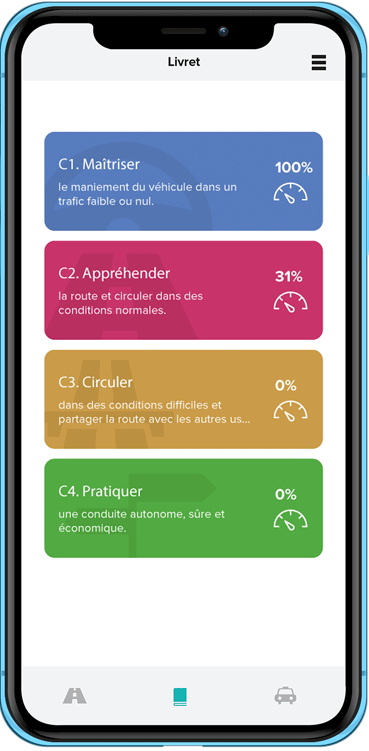
We reviewed competitor apps to understand existing approaches to family account management and progress sharing.

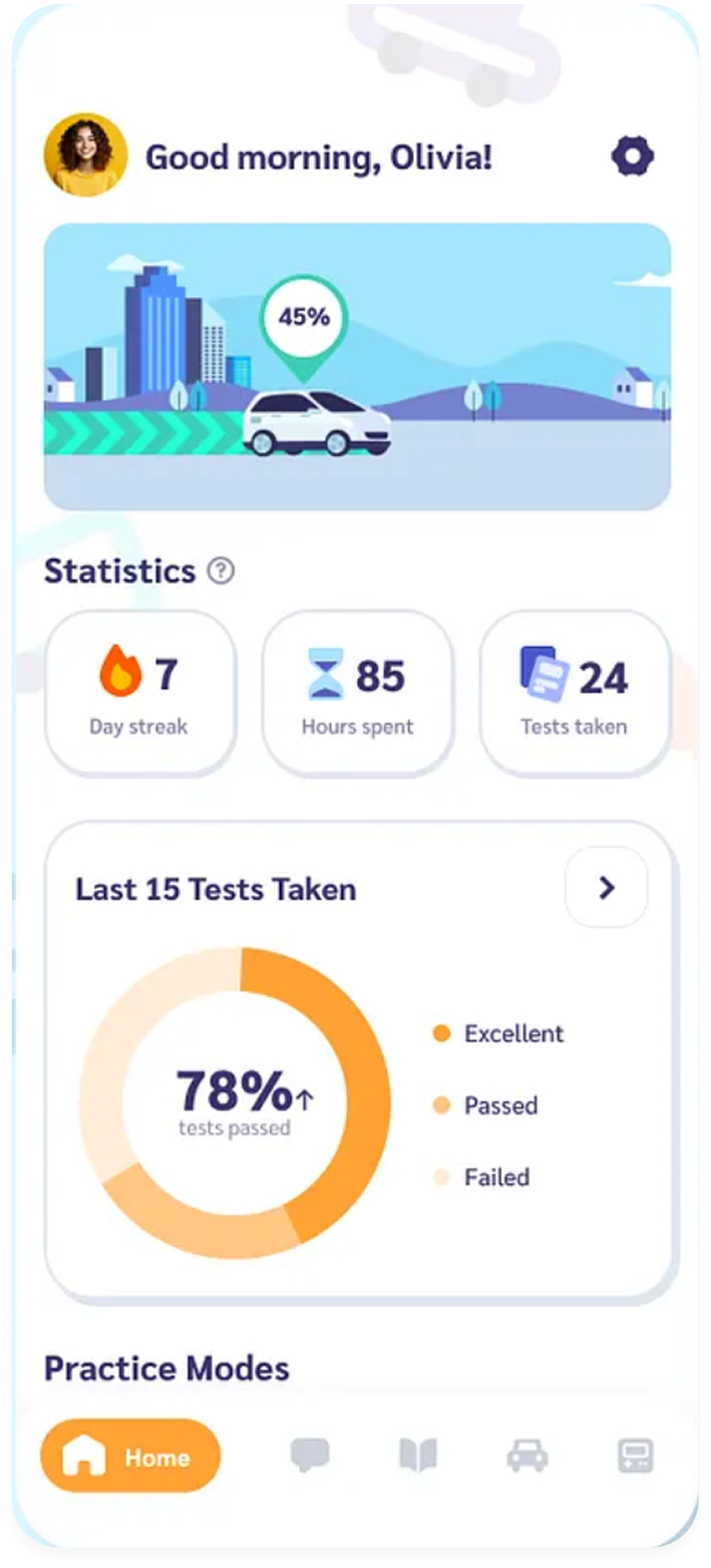
Interface Design
Dashboard
Mounki
Apprenticeship booklet
En Voiture Simone
Tracking sheet
(07)

Ideation

MIND MAP

We brainstormed keywords that are related to the problem statement that we identified.

CRAZY 8

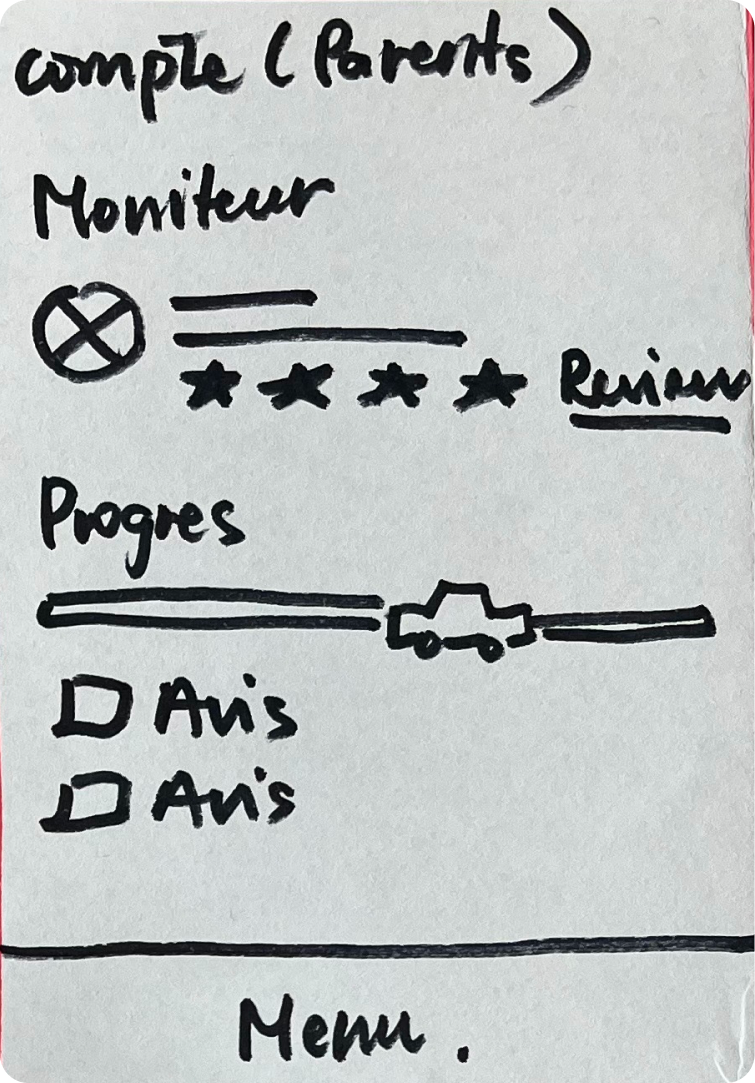
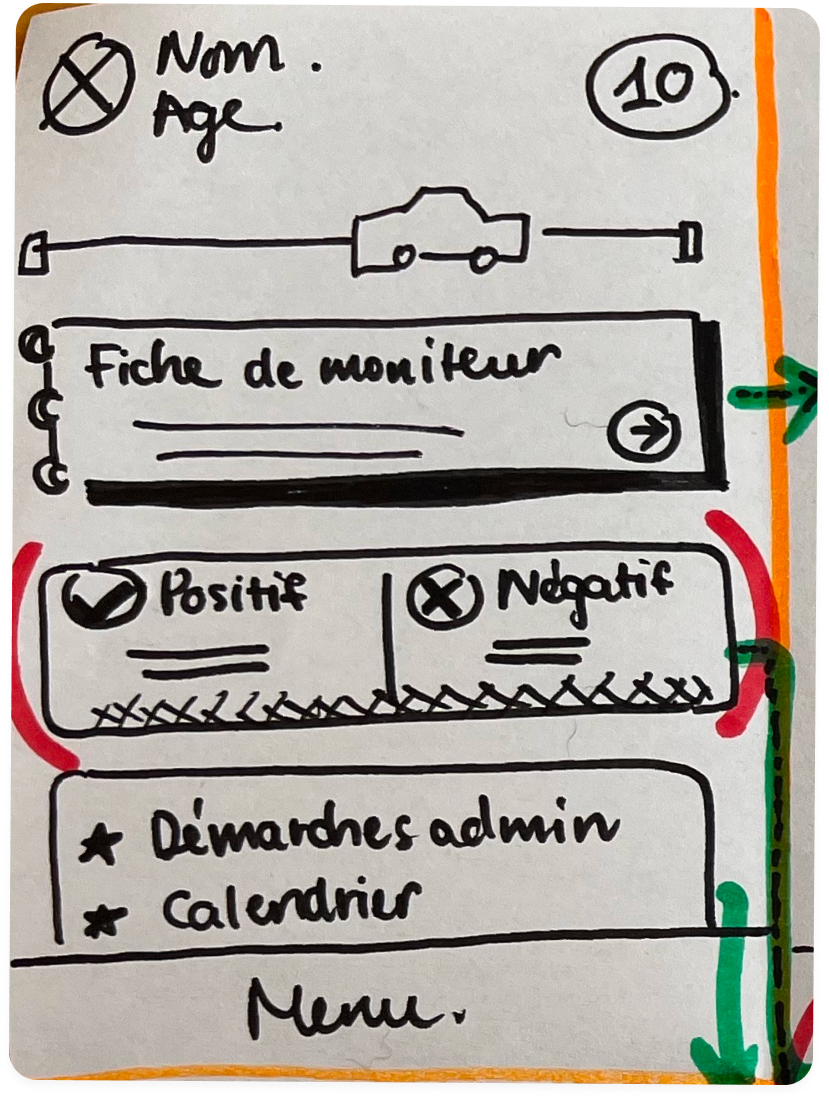
We each sketched eight ideas for helping parents follow their child’s driver education in the app, then selected the best ones.

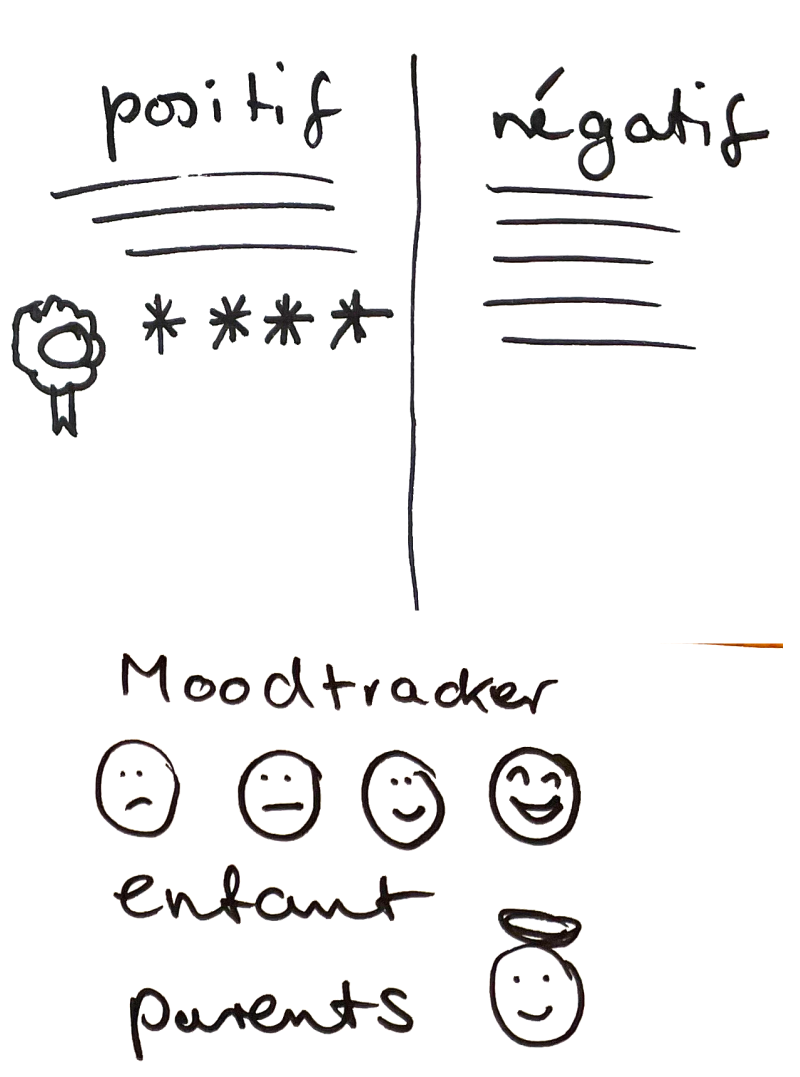
sketch 1 ornikar case study
Progress tracking page for parents
sketch 2 ornikar case study
Customisable dashboard viewing
sketch 3 ornikar case study
Tracking sheet with details
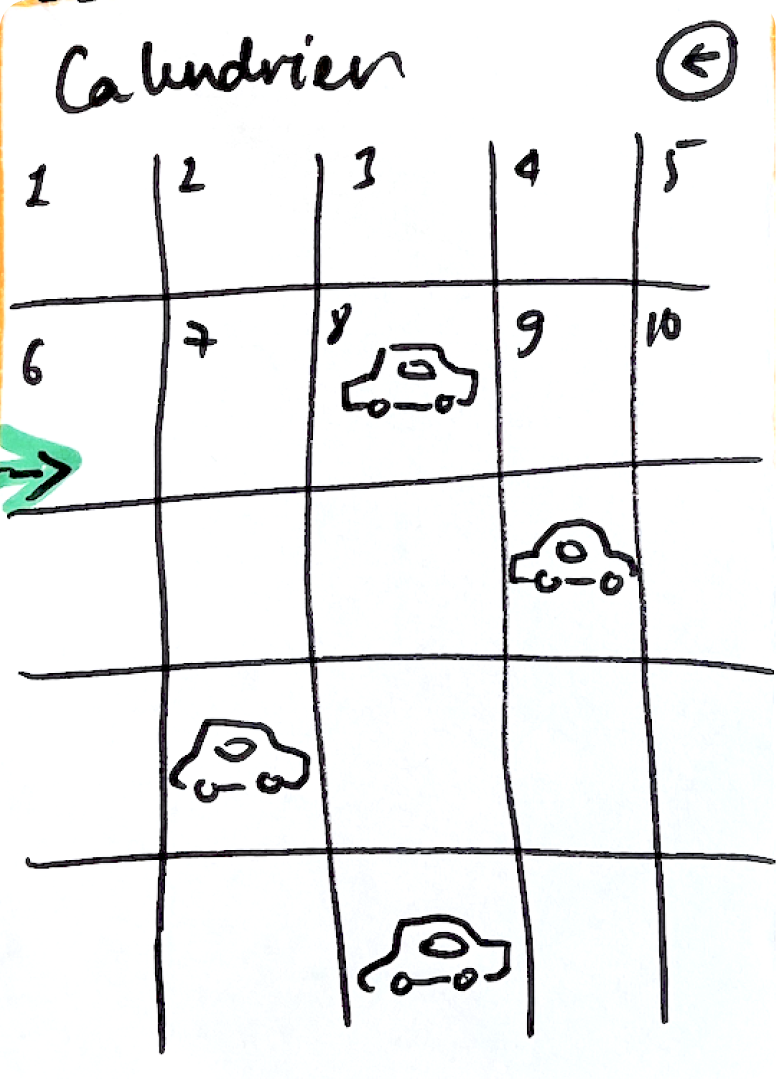
sketch 4 ornikar case study
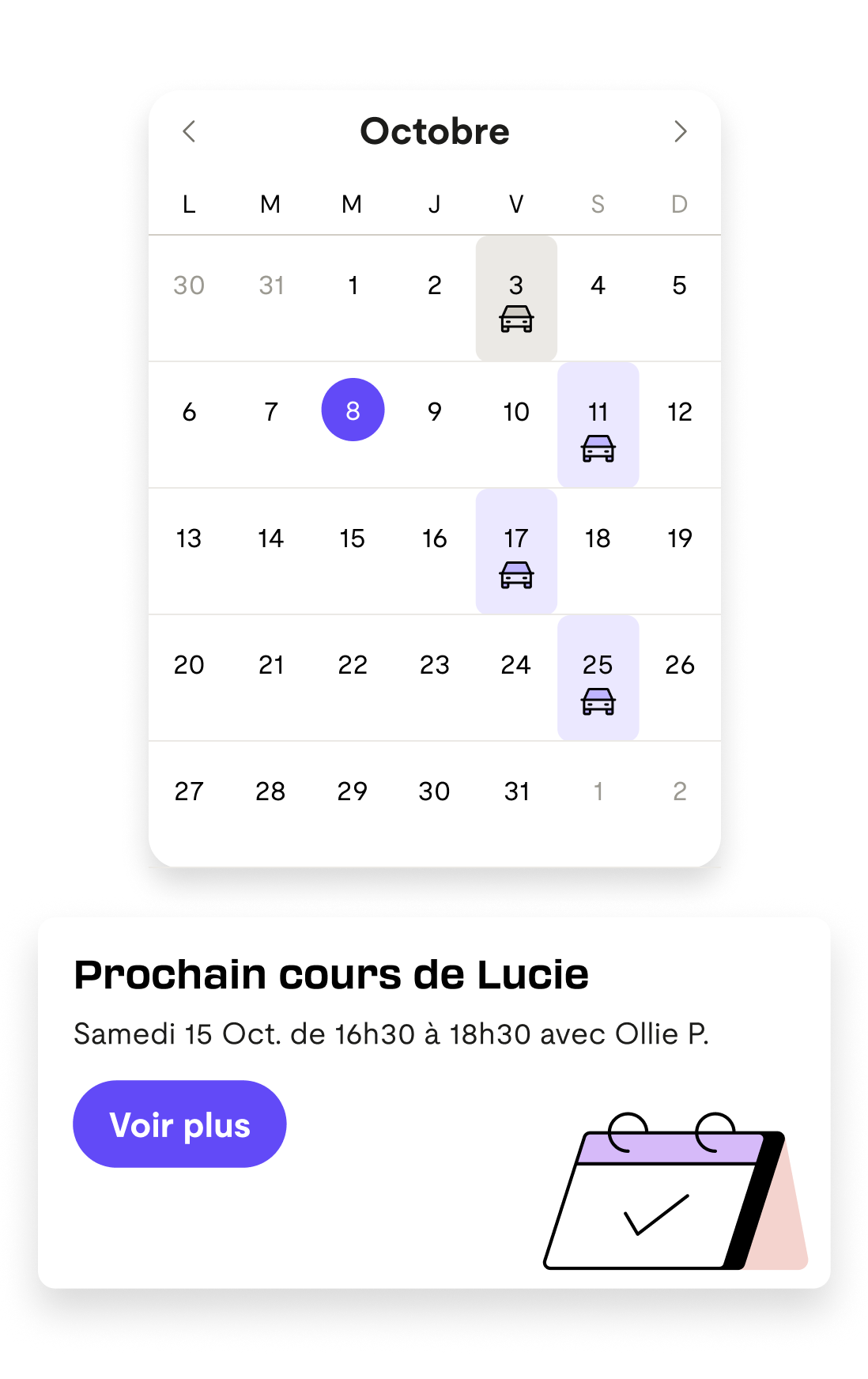
Session calendar

Three Customisable progress tracking layouts

↳ Maximum Autonomy: Limited to essential information only
↳ Discreet Support: Enhanced visibility with schedule and learning log
↳ Active Involvement: Full visibility with comprehensive progress summary

(07)

Prototype

We built interactive prototypes to test our customizable parent dashboard concepts.

Maximum autonomy Option

↳ Parents see only essential milestones, letting their children manage independently.

Discreet support Option

↳ Parents can access schedules and learning logs to stay informed without intruding.

Active support Option

↳ Parents receive comprehensive progress details to closely guide their child.

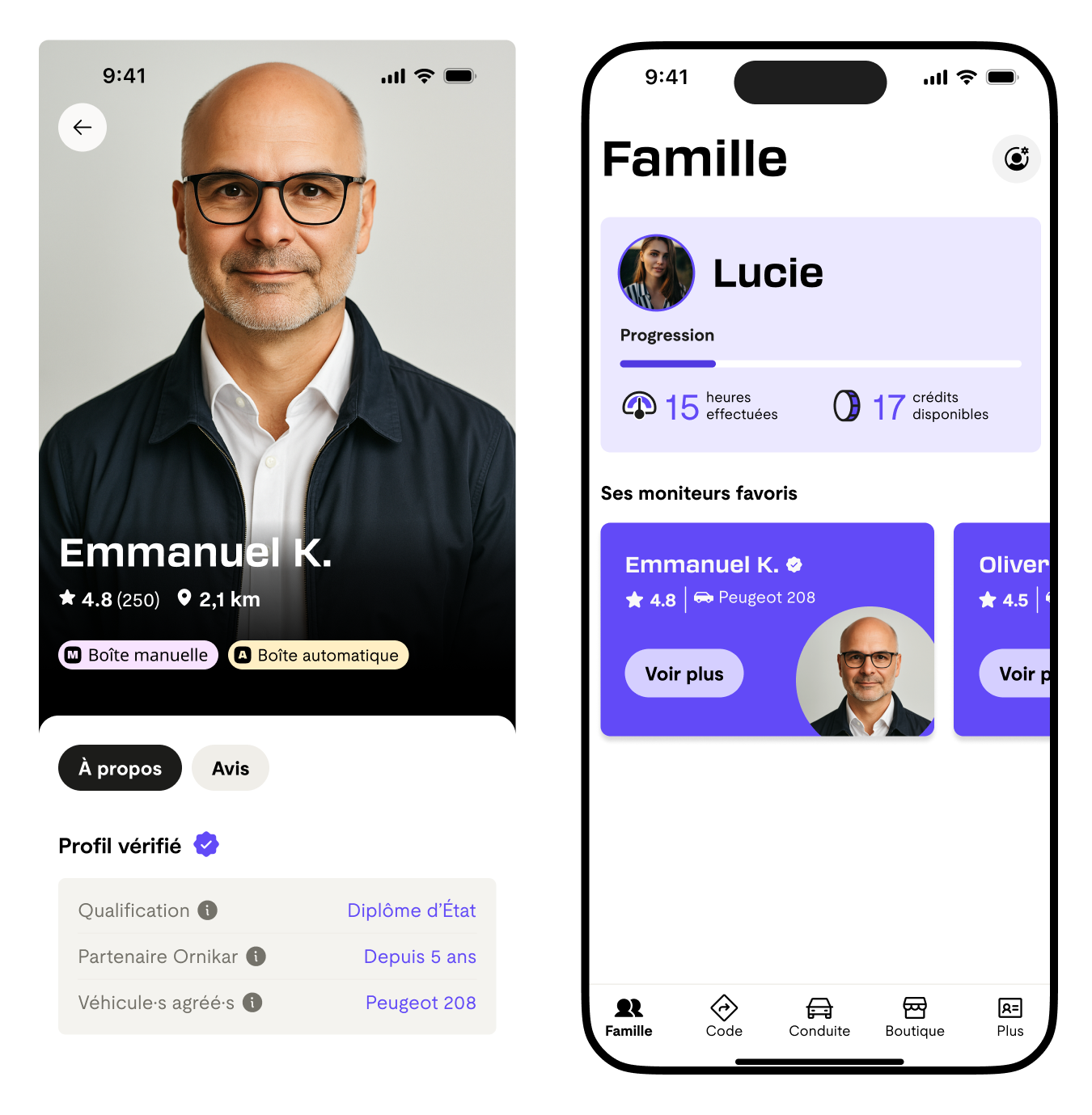
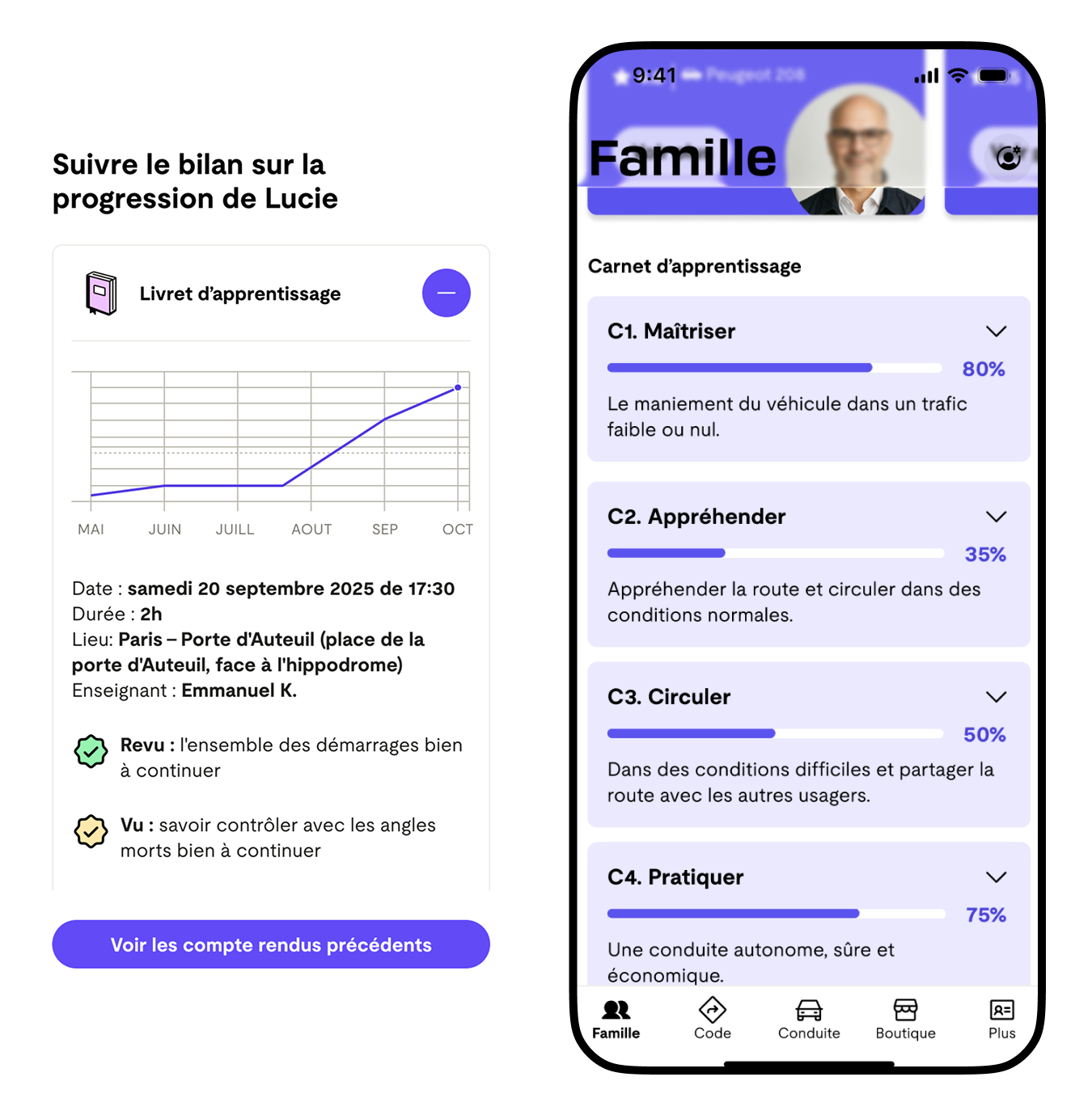
Child progress overview

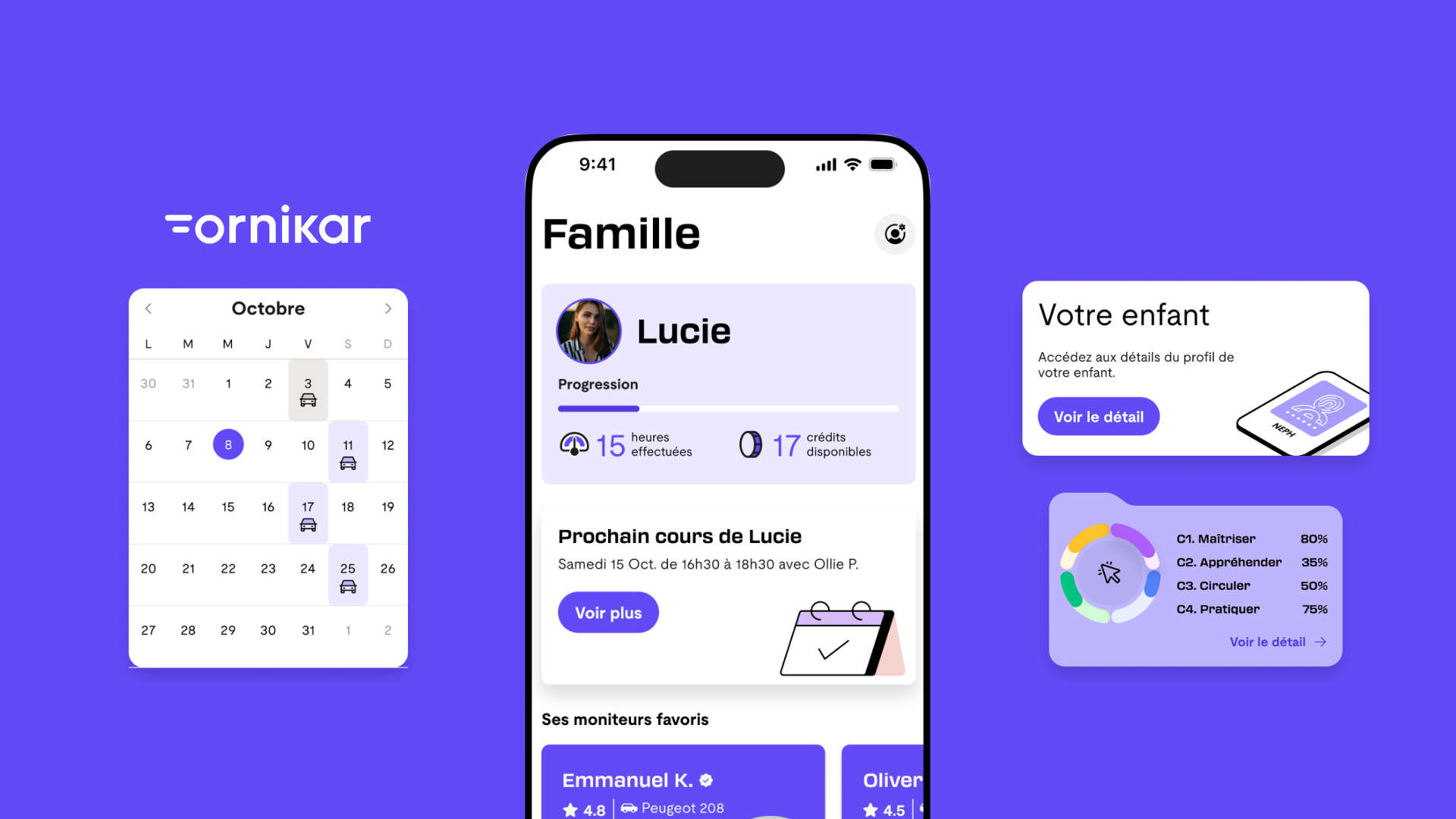
↳ Parents access key information at a glance - completion status, recent lessons, instructor feedback, and additional hours needed.

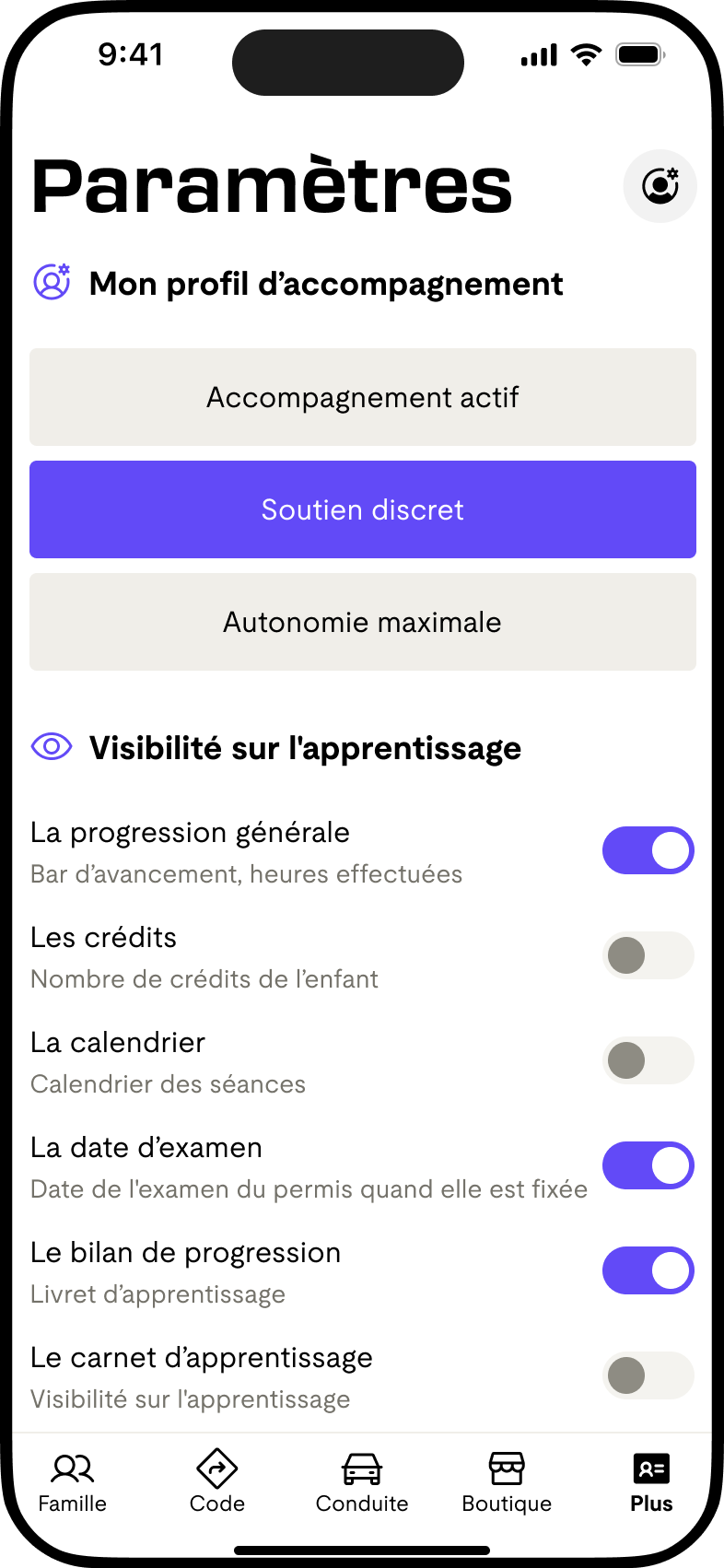
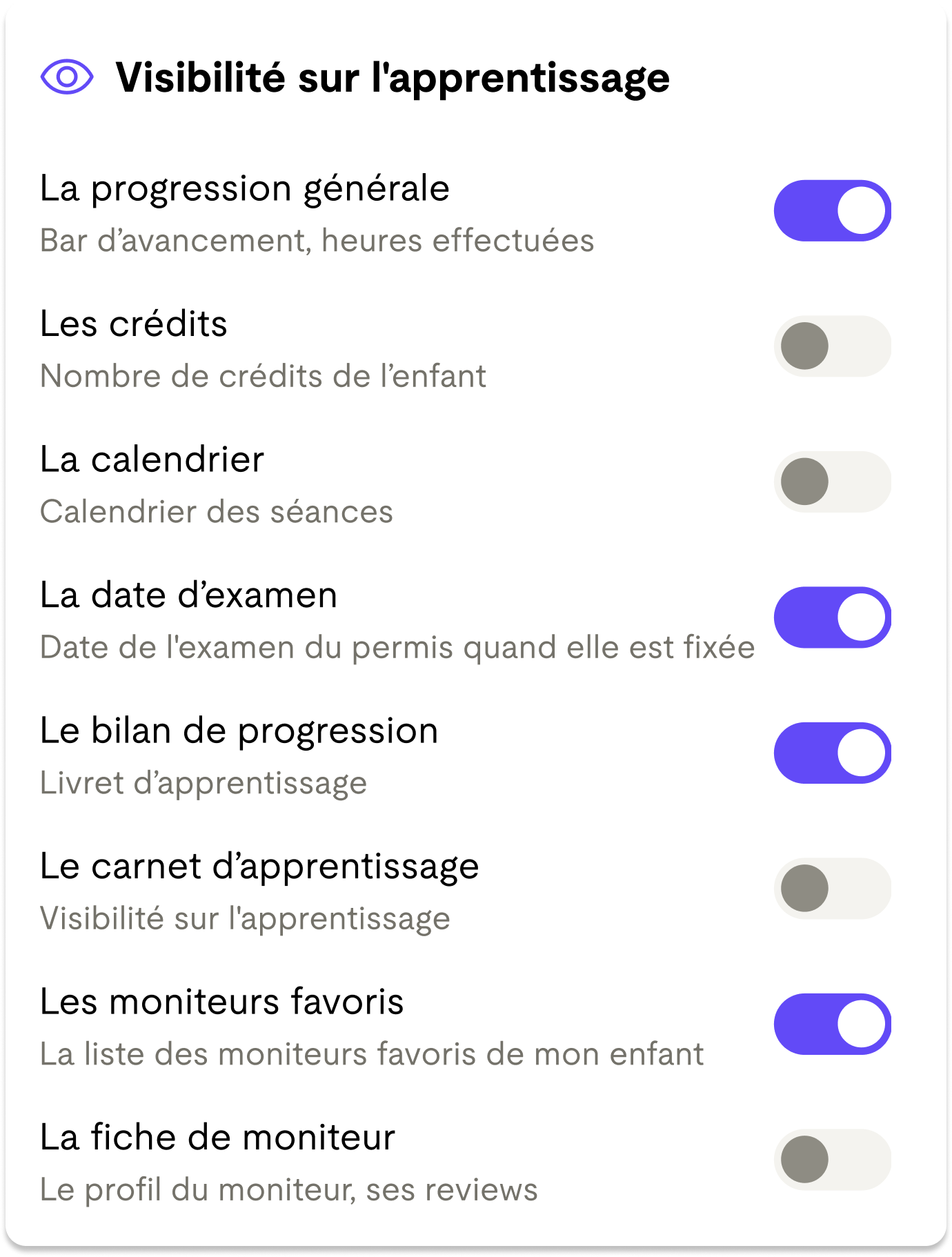
Access Settings

↳ Families can customise their dashboard based on their preferred involvement level.
(08)

User
Test

Objectives

↳ Identify which specific information parents genuinely need access to

↳ Determine if parents will actively customise their visibility settings

↳ Understand which profile parents ultimately identify with

Interview
Parameters

#5 participants
↳ Five women
↳ Adults with children
↳ 45-68 years old
↳ 45-minute interview

What we learnt ?

3/5
Parents need qualitative information, not just quantitative metrics
5/5
parents find The learning logbook and progress tracking sheet useful
Information hierarchy

"

I'm more interested in the substance, what the instructor says, what still needs practice.‍

— Morgane, 45 years old

5/5
parents value the manual configuration settings
4/5
parents find the maximum autonomy option too minimal
Settings

"

It's great to be able to choose what interests us.

— Ségolène, 50 years old

3/5
Parents hold little interest for the instructor profiles
4/5
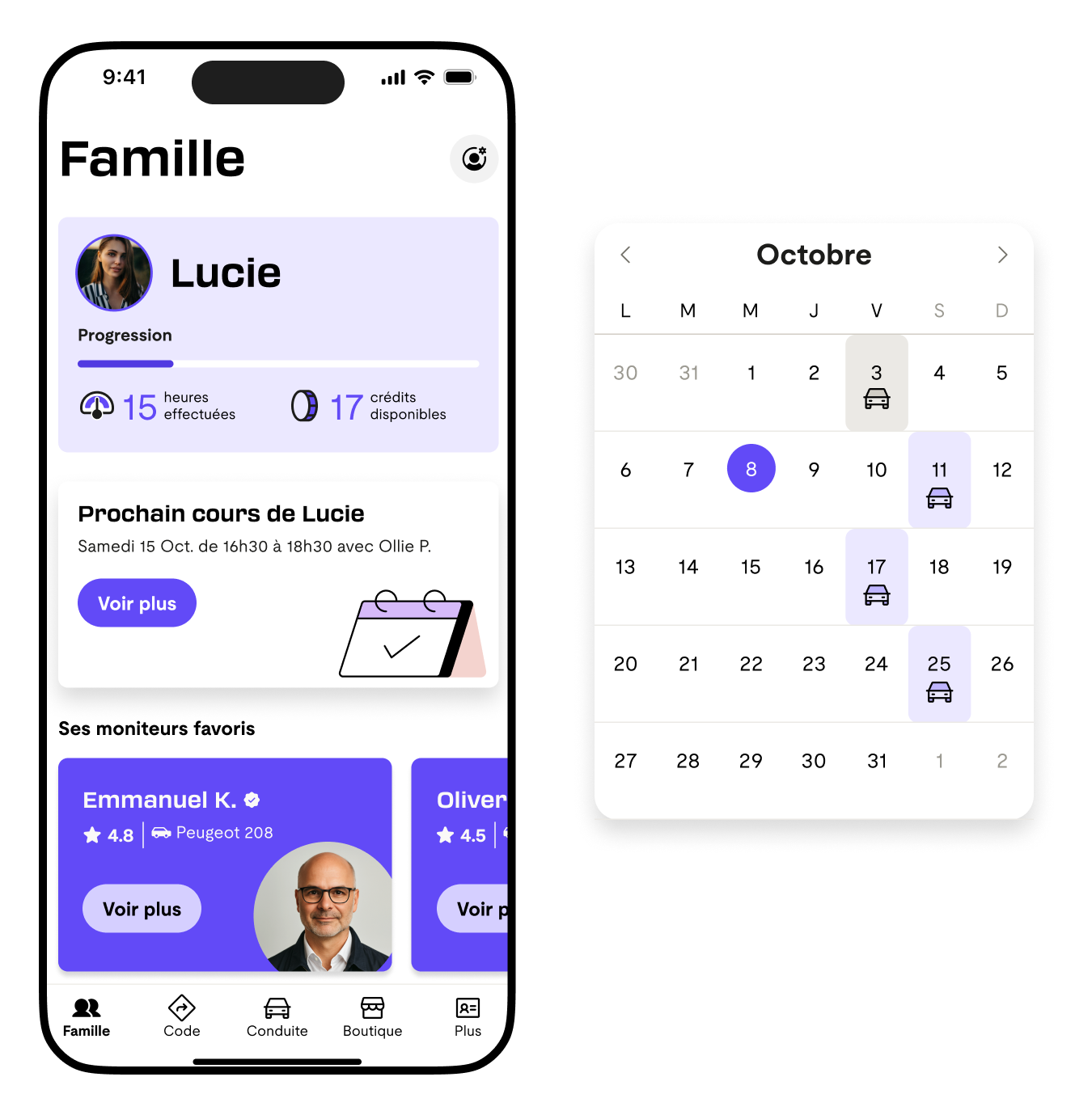
Parents appreciate the upcoming lesson information in the calendar
Calendar

"

The instructor, yeah but... maybe some parents care about that.

— Agathe, 51 years old

(09)

Our Adjustments following the test

Layout
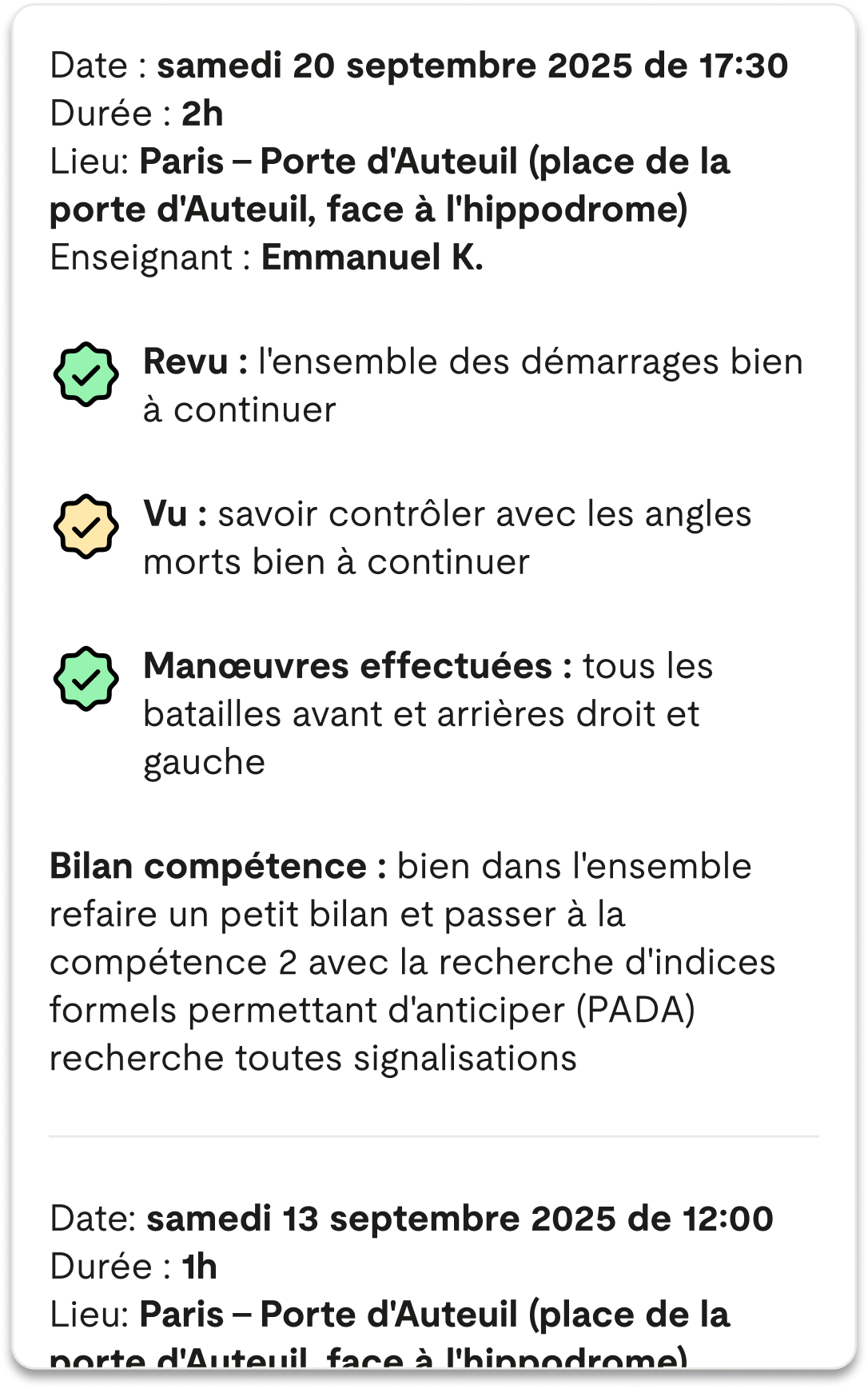
TUrned logbook into a folder with summary overview
Hierarchy
Removed "Maximum autonomy" option due to lack of informational value
Information
Linked instructor cards directly to their contacts
Layout
Moved Tracking sheet from calendar to main dashboard for better visibility
(10)

Final
Prototype

After several improvements, here's our final solution...Enjoy !

(11)

Conclusion

User testing confirmed that parents value progress visibility while respecting their child's independence. We learned that qualitative feedback matters more than metrics, and information must be immediately accessible. Moving forward, we'll refine the dashboard hierarchy and explore milestone notifications to strengthen parent confidence without compromising learner autonomy.